


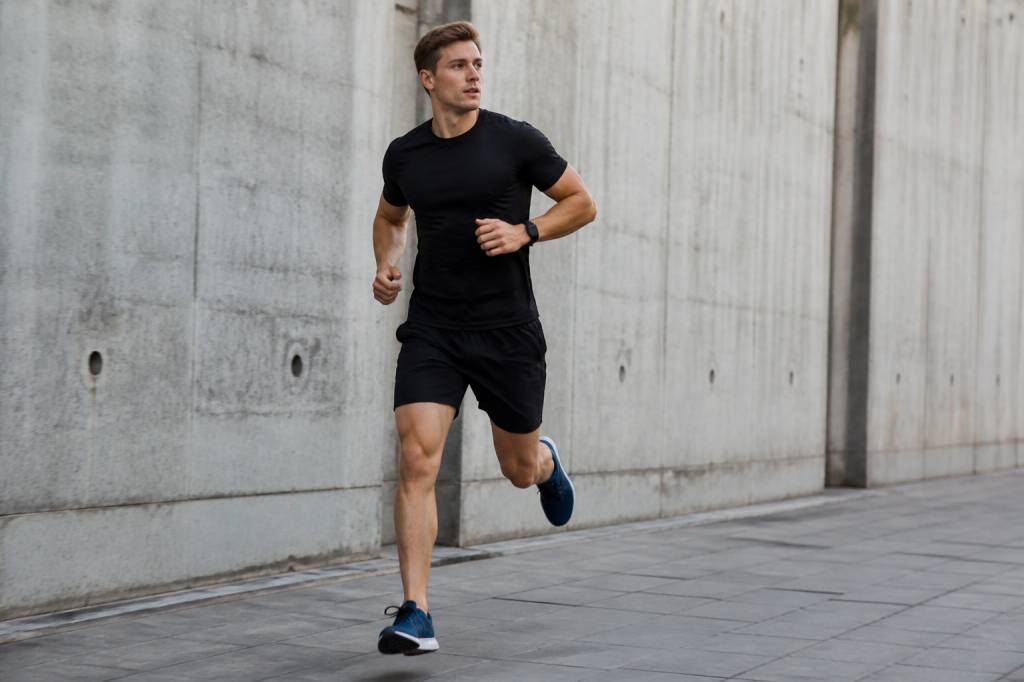
The 118 Runner is built around a simple idea: a versatile running shoe that can handle everyday training without making the buying process unnecessarily complicated. It is aimed at runners who want comfort for regular sessions, enough support for longer outings and a design that works just as well for walking, commuting or gym use.
That sounds straightforward. It is not always so. Running shoes are now sold with increasingly technical language: responsive foam, engineered mesh, stability geometry, rocker profiles and energy-return systems. Useful information, certainly—but only if it helps you choose the right shoe for your feet and your running habits.
So, is the 118 Runner a sensible choice? What are its main features, who benefits most from it and what should you check before paying? Here is the practical guide.
What is the 118 Runner designed for?
The 118 Runner sits in the everyday-training category. It is not primarily designed as a racing shoe, nor is it intended to replace a specialist trail model. Its role is more practical: provide a comfortable platform for regular runs at easy or moderate pace.
That makes it relevant to several types of user:
In plain English, the 118 Runner is the kind of shoe you reach for when the plan says “easy five kilometres”, when you are walking across a city all day or when your old trainers have clearly given up before you have.
The key features to look for
Exact specifications can vary according to the version, colourway, market and retailer. Before buying, always check the product page for the precise materials, weight, heel-to-toe drop and sole construction. However, the 118 Runner’s appeal generally comes from a combination of four practical characteristics.
A lightweight construction
A heavy shoe can make a short run feel unnecessarily demanding. The 118 Runner is positioned as a relatively light option, which helps it feel less intrusive during movement.
Weight matters most when you run regularly or spend long periods on your feet. A lighter shoe can feel more agile, but there is a trade-off: very light shoes sometimes offer less cushioning, durability or structural support. The right balance depends on your priorities.
For a beginner, comfort is usually more important than saving a few grams. For a faster runner, the reduced bulk may be more noticeable. The 118 Runner attempts to sit between those two requirements rather than targeting one extreme.
A breathable upper
The upper—the part that wraps around the foot—typically uses a lightweight textile or mesh construction. Its job is to hold the foot securely while allowing air to circulate.
This is particularly useful during warmer weather, indoor training and longer walks. A breathable upper can reduce the hot, damp feeling that often appears when a shoe is worn for several hours.
There is one point worth remembering: breathability is not the same as weather protection. A mesh upper may feel comfortable in summer, but it will not keep your feet dry in heavy rain. If you need a shoe for wet commutes or muddy paths, look for a dedicated water-resistant or trail alternative.
Cushioning for daily mileage
The midsole is responsible for much of the shoe’s comfort. In an everyday runner, cushioning should absorb part of the impact while still allowing the foot to move naturally.
The 118 Runner is best understood as a balanced-cushioning model. It should feel comfortable enough for routine training without the exaggerated softness found in some premium shoes. That middle ground can be useful: an excessively soft midsole feels luxurious in a shop, but may feel unstable or unresponsive after several kilometres.
How much cushioning do you need? Consider your use rather than marketing claims:
A flexible outsole
The outsole is the part that meets the road. Its rubber or rubber-like sections influence grip, durability and flexibility.
A versatile road outsole should provide dependable traction on pavement, pavements and indoor surfaces. It is not, however, a substitute for a trail outsole with deep lugs. On wet leaves, loose gravel or muddy ground, a standard road-running pattern can lose confidence quickly.
Check the areas that receive the most wear: the heel, the outer edge of the forefoot and the area beneath the big toe. More durable coverage in those zones can extend the useful life of the shoe, although it may add a little weight.
Benefits of the 118 Runner
It works for more than running
One of the strongest arguments for the 118 Runner is versatility. Many buyers do not need a separate shoe for every activity. They need one dependable pair for morning runs, weekend walks and occasional gym training.
The 118 Runner can make sense in that context. Its athletic shape and everyday cushioning should suit low-impact activities such as treadmill walking, mobility work and general fitness sessions.
It is less suitable for activities involving abrupt lateral movement, such as competitive tennis or indoor court sports. Running shoes are designed primarily for forward motion. Using them for repeated side-to-side movements can increase wear and reduce stability.
It can be a sensible first running shoe
New runners often make one of two mistakes. They buy an extremely basic fashion trainer that offers little running comfort, or they spend heavily on a specialist performance shoe they do not yet need.
A model such as the 118 Runner offers a more balanced starting point. It can provide enough comfort to support a gradual routine without turning the first purchase into a technical research project.
The important word is gradual. No shoe can compensate for increasing mileage too quickly. If you are starting from zero, begin with short run-walk sessions and allow your body time to adapt.
It is suitable for everyday wear
The same properties that help during an easy run—light weight, ventilation and cushioning—also work well for daily life. The 118 Runner can be useful for commuting, travelling or standing for long periods.
That does not mean it is ideal for every foot. Some people need a wider toe box, additional arch support or a more structured heel counter. Comfort is not a universal measurement, despite the confidence of online product descriptions.
Who should buy it?
The 118 Runner is likely to suit you if you want:
It may not be the best choice if you are looking for a specialist shoe for marathon racing, technical trails, strong overpronation control or high-intensity interval training. In those cases, compare it with models designed specifically for that purpose.
How to choose the correct size
Incorrect sizing is one of the fastest ways to turn a good running shoe into an uncomfortable purchase. Feet can swell during exercise, particularly in warm weather or during longer runs. A shoe that feels perfect for two minutes in a shop may feel tight after 45 minutes outside.
Use this fitting checklist:
Your toes should be able to move, but your foot should not slide from side to side. If you are between sizes, consult the brand’s measurements rather than assuming that every “standard” size is identical.
What about foot type and support?
Running shoes are often labelled according to pronation or arch shape. These categories can be useful, but they should not replace a proper fit assessment.
If you have a neutral stride and do not experience recurring discomfort, a neutral everyday shoe may be appropriate. If you regularly experience pain, excessive foot movement or instability, consider speaking to a qualified running specialist or physiotherapist before choosing a model.
Do not buy a stability shoe simply because the word sounds safer. More support is not automatically better. The best shoe is the one that works with your movement, fits securely and remains comfortable throughout your typical session.
How much should you pay?
The 118 Runner is generally positioned as a value-conscious or mid-range option, depending on the retailer and current promotions. Price comparisons are worthwhile because sports footwear is frequently discounted, particularly when a new colour or updated version appears.
Before judging the price, compare these points:
A lower price is not always a bargain if the shoe cannot be returned after an unsuitable fit. Conversely, an older model can offer excellent value if the construction meets your needs and the product has been stored correctly.
Common drawbacks to consider
No running shoe is perfect, and the 118 Runner has limitations worth acknowledging.
First, it may not provide the level of energy return expected by runners who prefer highly responsive, performance-focused footwear. If your training includes frequent intervals, tempo sessions or races, you may want a more specialised model.
Second, the cushioning and support may not suit runners who need a very wide fit or substantial stability. Trying the shoe on is especially important in those cases.
Third, a breathable upper offers limited protection in poor weather. For winter commuting or wet trails, another shoe may be a better tool.
Finally, durability depends heavily on mileage, body weight, running surface and gait. A rough guideline is to inspect your shoes regularly rather than relying on a fixed replacement date. Flattened cushioning, visible sole wear, uneven compression or new discomfort are more useful signals than the calendar.
Care tips to extend its lifespan
Good maintenance will not transform an everyday runner into an indestructible shoe, but it can help preserve comfort and appearance.
Rotation is particularly useful. Alternating two pairs gives the foam more time to recover between sessions and allows you to notice changes in comfort before they become a problem.
Final buying checklist
Before ordering the 118 Runner, ask yourself five simple questions:
If your answers point towards everyday road running, light training and general comfort, the 118 Runner is a credible option to consider. It offers the practical qualities most people actually use: a manageable weight, breathable construction, everyday cushioning and enough versatility for life beyond the running route.
The smartest purchase is not necessarily the most expensive or the most technical. It is the pair that fits properly, matches your routine and remains comfortable when the novelty of the first run has disappeared. That is the real test—and it takes place several kilometres after the checkout page.