


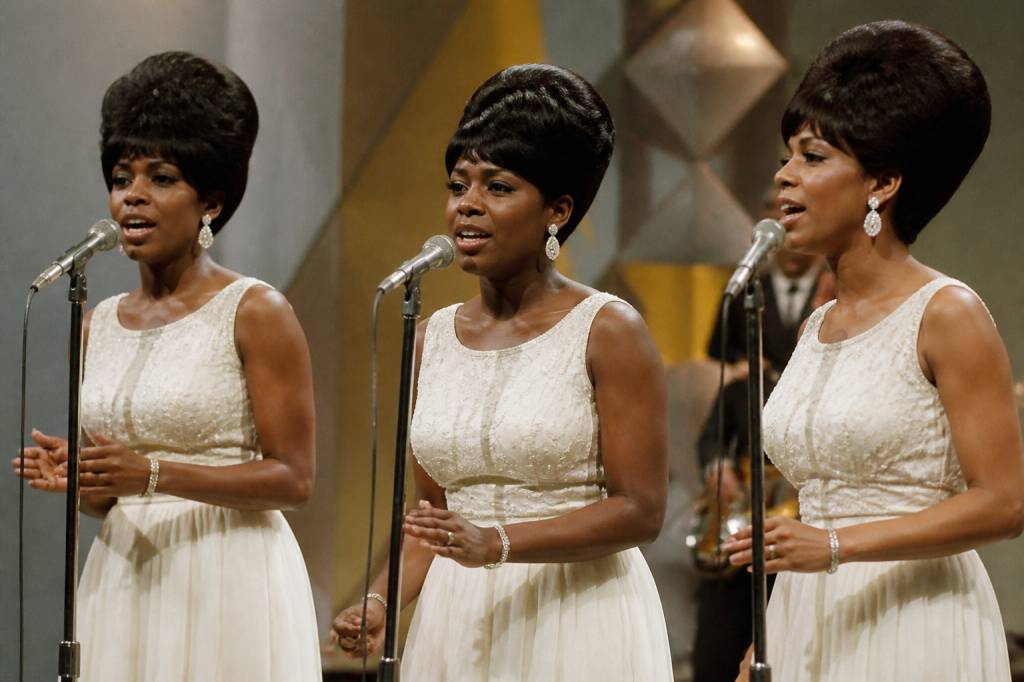
By the 1960s, pop and soul were no longer just genres. They were battlegrounds for new sounds, new images, and new ideas about who got to lead a hit record. And in the middle of that shift stood female groups: sharp harmonies, tightly choreographed performances, and songs that could turn heartbreak into something radio-ready. If you think of the decade only through the usual names, you miss a huge part of the story. Some of the most durable hooks, most copied arrangements, and most recognizable vocal styles of the era came from women singing together.
Why did female groups matter so much? Because they sat at the crossroads of everything the industry wanted: emotional directness, visual appeal, and commercial polish. They also operated in a music business that often underestimated them. That combination produced records that were not only successful, but structurally influential. You can hear their fingerprints in later girl groups, in Motown’s pop crossover strategy, in R&B ballads, in disco, and even in modern pop production. The 1960s did not simply give us a few famous acts. It gave us a template.
The Supremes: the blueprint for pop crossover
If one group defined the commercial power of female groups in the 1960s, it was The Supremes. Signed to Motown, they became the label’s most reliable chart force, and for a good reason: the songs were immaculate, the production was precise, and Diana Ross’s lead vocals were designed for radio without losing emotional pull. Between 1964 and 1969, The Supremes racked up a remarkable string of No. 1 hits, including “Where Did Our Love Go,” “Baby Love,” “Stop! In the Name of Love,” and “You Can’t Hurry Love.” That is not just a good run. That is a business model.
Their importance goes beyond chart numbers. The Supremes helped Motown prove that Black artists could dominate mainstream pop without being diluted into anonymity. Berry Gordy’s “quality control” system, often debated, aimed to create records that could compete with any pop act in America. The Supremes were the clearest proof that it worked. They wore elegant gowns, moved with precision, and delivered songs that felt both polished and accessible. In practical terms, they helped open the door for later Black female artists to be marketed as universal stars rather than niche acts.
There is also a cultural angle here. The Supremes’ image was meticulously managed, which some critics saw as too controlled. But that control was itself a form of strategy. In a decade when Black women were often boxed into narrow roles, the group presented sophistication, glamour, and commercial authority. Not bad for a trio that began as a local Detroit act with modest expectations.
The Shirelles: the emotional template for girl-group pop
Before The Supremes dominated the charts, The Shirelles helped define what a girl group could sound like. Their early 1960s hits, especially “Will You Love Me Tomorrow,” “Dedicated to the One I Love,” and “Soldier Boy,” established a formula that many others would follow: youthful vulnerability, conversational lyrics, and harmonies that felt intimate rather than operatic. In a market flooded with instrumental rock and male-led crooners, The Shirelles made teenage emotion sound like serious artistic material.
“Will You Love Me Tomorrow,” written by Gerry Goffin and Carole King, is especially important because it moved pop songwriting into more psychologically complex territory. The song’s central question is simple, but the anxiety beneath it is not. That mix of innocence and uncertainty became a hallmark of the girl-group era. It also proved that songs about women’s experiences could be commercially powerful without being sanitized into blandness. The hook was catchy. The feeling was real. That matters more than people sometimes admit.
The Shirelles also highlight an overlooked truth: many of the era’s best female group records were collaborations between strong performers and skilled writers/producers behind the scenes. That does not reduce the artists’ importance. It shows how their voices turned crafted material into something unforgettable. A good song is one thing. A good song sung by a group that knows exactly how to land every line is another.
The Marvelettes: Motown’s early proof of concept
Before The Supremes became the face of Motown, The Marvelettes gave the label its first No. 1 pop hit with “Please Mr. Postman” in 1961. That record is one of those turning points that can look small in hindsight but was huge at the time. Motown needed a breakthrough, and The Marvelettes delivered it. Their success helped validate the label’s approach: compact songs, clear melodies, strong beats, and arrangements that could travel from Black radio to the broader pop market.
“Please Mr. Postman” also showed how female groups could turn everyday concerns into compelling pop narratives. It is a song about waiting, anticipation, and uncertainty. Not exactly a manifesto. Yet that’s the point. The best girl-group records often made ordinary emotional experiences feel urgent. That accessibility was part of their power. They were singing about love, longing, and disappointment, but the production gave those feelings momentum.
The Marvelettes never received quite the same mythic treatment as The Supremes, which is a shame. They were essential to Motown’s rise and to the broader idea that female groups could be the engine of a label’s success, not just a side act. If you want to understand the mechanics of early 1960s pop-soul crossover, this is a group you cannot skip.
The Ronettes: attitude, style, and production innovation
The Ronettes brought something different to the decade: a tougher, more dramatic edge. With Veronica “Ronnie” Bennett at the center, the group’s records combined streetwise confidence with lush production, especially under Phil Spector’s famous “Wall of Sound.” “Be My Baby” is one of the most studied pop records of all time, and that reputation is not exaggerated. The opening drum fill alone has been analyzed, copied, and revered for decades.
What made The Ronettes stand out was their contrast. Their sound was big and cinematic, but their image felt less polished than the Motown groups. They projected personality. They looked like they had something to say, even when the lyrics were straightforward. That sense of attitude became a key ingredient in later pop and rock-influenced female acts. Without The Ronettes, the line from 1960s girl groups to later singers who blended glamour with edge would be much harder to trace.
There is also a technical point worth noting. Spector’s production on The Ronettes’ records changed how pop could be built in the studio. The group was not just performing a song; they were embedded in an arrangement designed to hit the listener like a wave. That approach influenced everyone from power-pop producers to arena-rock writers. So yes, female groups shaped the sound of pop. They also shaped the way pop was made.
The Dixie Cups, Martha and the Vandellas, and the power of specificity
Not every influential female group was chasing the same formula. The Dixie Cups, for instance, had a knack for records that felt vivid and immediate. Their “Chapel of Love” is a perfect example of the era’s ability to turn a simple idea into a communal anthem. It is upbeat, direct, and nearly impossible to hear without picturing a wedding scene, which is exactly why it worked.
Martha and the Vandellas operated with a different kind of urgency. Songs like “Heat Wave” and “Dancing in the Street” were less about private emotion and more about movement, energy, and collective release. Their records had a muscular quality that made them feel almost physical. “Dancing in the Street” later took on political meanings far beyond its original context, which is a reminder that a great group song can outgrow its first audience.
These groups matter because they show how flexible the female-group format was. It could be romantic, defiant, playful, or socially resonant. The cliché says girl groups were all sugar and heartbreak. The reality is broader: they were also vehicles for rhythm, identity, and public energy.
The Crystals and the hidden machinery of 1960s hits
The Crystals are a useful case study because they reveal how much of the 1960s pop machine ran on invisible labor and behind-the-scenes decision-making. Songs like “Da Doo Ron Ron” and “Then He Kissed Me” became iconic, but the group’s actual line-up and studio dynamics were often more complicated than the public story suggested. In other words: the record you hear and the group name on the sleeve were not always produced by a neat, transparent process. Shocking, perhaps, if you still believe the music industry only discovered chaos in the streaming era.
That complexity matters because it explains how female groups were sometimes treated as brands as much as bands. Producers, managers, and labels frequently controlled the sound, image, and even the personnel. Yet the results were still culturally transformative. The Crystals helped establish the girl-group sound as a commercial force, and their records became reference points for later generations of pop writers and producers.
For listeners today, this is a reminder to separate authorship from impact. A song can be tightly manufactured and still change the culture. Sometimes especially then.
What made these groups so influential?
The short answer: they solved multiple problems at once. They gave record labels marketable identities. They gave songwriters a framework for concise emotional storytelling. They gave arrangers a way to combine rhythm, melody, and harmony into radio-friendly packages. And they gave audiences voices that felt relatable, stylish, and modern.
There are a few recurring ingredients across the best 1960s female groups:
- Strong lead vocals anchored by tight backing harmonies
- Short, memorable songs built around a clear emotional hook
- Production that balanced polish with urgency
- Lyrics focused on love, anticipation, rejection, or social energy
- A visual identity that helped the group stand out on television and in print
Those ingredients may sound obvious now, but they became standard because these groups made them work repeatedly. The formula wasn’t accidental. It was tested, refined, and copied.
How they shaped later pop and soul music
By the end of the 1960s, the influence of these groups was everywhere. Later Motown acts built on the crossover success of The Supremes. Pop producers borrowed the emotional directness of The Shirelles. Rock and power-pop artists borrowed the sonic density associated with The Ronettes. Soul acts absorbed the energy and movement of Martha and the Vandellas. Even modern pop still leans on the same basic principle: a memorable lead vocal surrounded by harmonies, a crisp arrangement, and lyrics that sound simple until they hit you in the stomach.
Just as important, these groups helped normalize the idea that women could be the face of commercial pop without being passive figures. Their records often came from systems that limited their control, but the artistry was real. They influenced vocal phrasing, arrangement, stage presence, and how women were marketed in the music industry. That legacy is visible in everyone from the Wilson Pickett-era R&B response to later acts like the Pointer Sisters, En Vogue, TLC, and countless pop groups that treated harmony as a weapon rather than a decoration.
If you want a quick test of their lasting impact, listen to modern chart pop and ask a simple question: where did this combination of emotional clarity, punchy arrangement, and group chemistry come from? The answer usually leads back to the 1960s, and often to these women.
Where to start if you want to hear the difference
If you want to hear how these groups shaped the decade without getting lost in the history books, start with a few essential tracks and listen for what each one teaches you.
- The Supremes – “Where Did Our Love Go”: the anatomy of a perfect pop crossover hit
- The Shirelles – “Will You Love Me Tomorrow”: emotional vulnerability made commercially irresistible
- The Marvelettes – “Please Mr. Postman”: Motown finding its first major breakthrough
- The Ronettes – “Be My Baby”: production as drama
- Martha and the Vandellas – “Dancing in the Street”: energy that turns into cultural memory
- The Dixie Cups – “Chapel of Love”: simplicity done with complete conviction
Listen closely and you will hear a pattern: these groups were never just “female versions” of something else. They were innovators in their own right. They helped define what pop and soul could sound like, what they could feel like, and who got to carry them to the top of the charts. That is a much bigger legacy than a nostalgic playlist. It is part of the foundation of modern popular music.