Going to Singapore: what to know before your trip
Singapore is often described as an easy city to visit. That is true in one important sense: public transport is clear, English is widely used, and the city is compact. But “easy” does not mean “no preparation needed”. Entry paperwork, tropical weather, strict rules and a surprisingly large choice of neighbourhoods can all catch first-time visitors off guard.
A little planning makes a big difference. Here is what to check before you fly, how to get around, what to pack and how to enjoy Singapore without turning every day into a race between landmarks.
Check your entry requirements before booking
Entry rules depend on your passport, so check the Singapore Immigration and Checkpoints Authority (ICA) website before you travel. Some nationalities need a visa; others do not. Visa-free entry is not a guarantee of admission: an immigration officer makes the final decision at the border.
Most visitors should be ready to show a passport valid for at least six months, details of their onward or return journey, and evidence that they can support their stay. Requirements can vary by nationality and circumstances, so use official guidance rather than relying on an old forum post or a friend’s experience from three years ago.
Most foreign visitors also need to submit the free SG Arrival Card online within three days before arriving, including the day of arrival. It is a health and travel declaration, not a visa. Submit it through ICA’s official website or app; avoid third-party sites that charge a fee to do it for you. Keep the confirmation accessible on your phone, and check the latest instructions before departure.
If you are transiting, do not assume that staying in the airport automatically removes all entry requirements. The rules depend on whether you pass through immigration, your nationality and your travel arrangements. Check with ICA and your airline if your connection is tight or involves separate tickets.
Understand the rules on medicines and prohibited items
Singapore has strict laws, and “I didn’t know” is not a useful plan at customs. Some medicines that are routine in one country may be controlled in Singapore, particularly certain sedatives, strong painkillers and medicines containing stimulants. Check the Health Sciences Authority’s guidance before packing prescription or over-the-counter medication.
Keep medicines in their original packaging and carry a copy of your prescription or a doctor’s letter, especially for controlled substances. You may need approval in advance for some medicines. Do not rely on a pharmacy label alone to settle the question.
Chewing tobacco and e-cigarettes are also subject to strict restrictions. Do not assume you can bring a vape for personal use or buy one after arrival. Rules and enforcement can change, so check current official guidance on prohibited and controlled goods before packing. If in doubt, leave the item at home and ask the relevant Singapore authority before travelling.
Pick the right time of year, then pack for the weather
Singapore is hot and humid throughout the year. Daytime temperatures commonly sit around 30°C, and heavy showers can arrive with little warning. There is no simple “dry season” that guarantees rain-free sightseeing, so think in terms of being prepared rather than trying to outsmart the forecast.
Pack light, breathable clothing, comfortable shoes and a compact umbrella or rain jacket. A small towel or spare top can be useful if you walk a lot. Bring a light layer for air-conditioned museums, shopping centres and cinemas: the difference between the pavement and the indoor temperature can feel less like a transition and more like a change of climate.
Use sunscreen, drink water regularly and take breaks in the shade. If you plan to explore on foot, schedule outdoor sights for the morning or later afternoon. Midday is better spent somewhere cool than proving a point to the sun.
Singapore uses the British-style Type G electrical plug, with three rectangular pins, and the standard voltage is 230V. Bring a suitable travel adaptor and check whether your devices support the local voltage. Most modern phone and laptop chargers do, but it is worth checking the label.
Get from the airport into the city without overthinking it
Changi Airport is well connected to the city. The MRT is usually the economical choice, while taxis and app-based ride services are more convenient if you arrive late, have bulky luggage or are travelling with several people. Journey times vary with traffic and your destination, so compare the options when you land rather than assuming one is always fastest.
Singapore’s public transport network is one of the easiest ways to explore. The MRT and buses cover most visitor areas, and stations are well signposted. You can generally pay for eligible journeys with a contactless bank card or mobile wallet, but check whether your card has foreign transaction fees. A stored-value transport card is another option.
Before your first journey, check the current payment rules, fares and any card-registration requirements with the Land Transport Authority or your card provider. Use the same card or device consistently where the fare system requires it. If you switch between a physical card and a phone, the system may treat them as separate payment methods.
Google Maps and local transport apps can help with routes, but follow station signs too. At busy interchanges, a few minutes spent checking the platform direction can save a needless detour. And remember: a station that looks close on a map may still involve a long, warm walk outdoors.
Choose a base that suits your trip
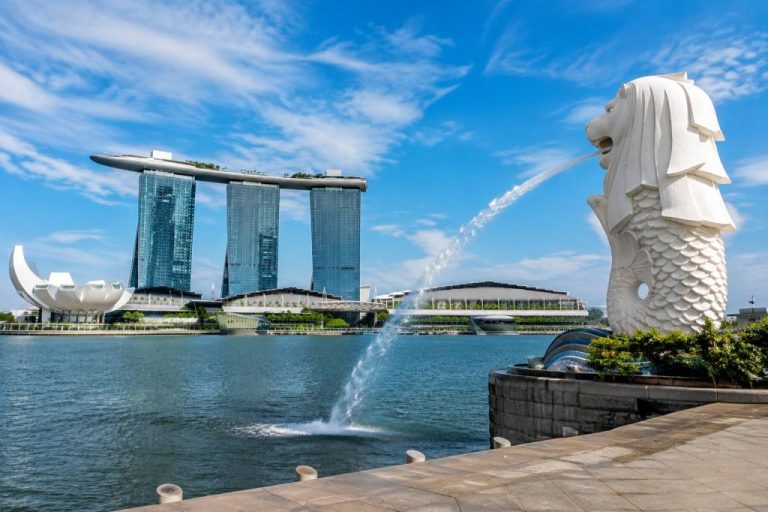
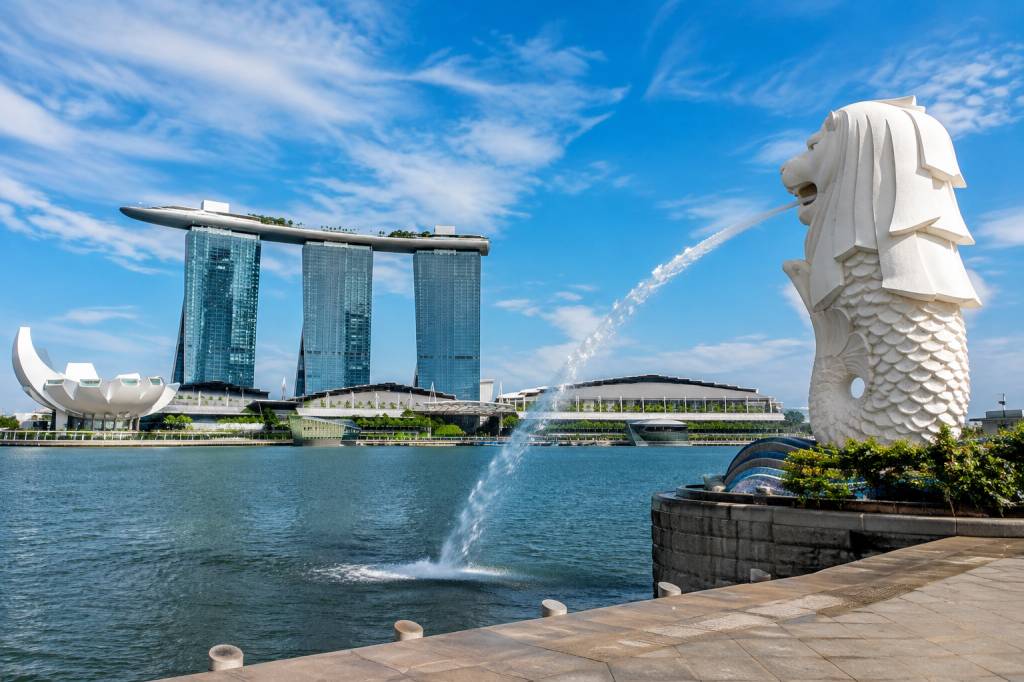
Singapore is small, but where you stay affects the rhythm of your days. The city centre works well for first-time visitors who want quick access to major attractions. Marina Bay is convenient for architecture, waterfront walks and the Gardens by the Bay area, though hotels there can be expensive.
For a more local feel, consider neighbourhoods such as Chinatown, Little India or Kampong Glam. They offer food, shops and cultural sights within walking distance, with easy access to the wider transport network. Orchard Road suits visitors focused on shopping, while Sentosa is useful for a resort-style stay or family attractions but is less central for everyday city exploring.
Compare the total cost, not just the nightly rate. A cheaper room far from an MRT station can mean more time and money spent getting around. Check recent reviews for practical details such as noise, room size, luggage storage and how long it takes to reach the nearest station.
Eat well without turning every meal into a booking
Singapore’s food scene is one of its best reasons to visit. Hawker centres bring together affordable dishes from different culinary traditions, often in busy, informal settings. You might find chicken rice, laksa, satay, roti prata and plenty of options you have not tried before—all within a short walk of one another.
Look for well-used stalls, check local food-safety ratings where displayed, and follow the queue. A long line is not a scientific guarantee of a perfect meal, but it is often a useful clue. If you are unsure what to order, point to a neighbouring table’s dish or ask what the stall is known for. Carry a little cash as a backup, though many places accept electronic payment.
At some hawker centres, diners leave a packet of tissues on a seat to indicate that it is taken. This practice is commonly called “chope-ing”. It is a local custom, not a universal reservation system: do not move someone else’s belongings, and check that the table is genuinely free before sitting down.
Singapore is a multicultural city, so food choices are broad, including halal, vegetarian and other dietary options. If you have an allergy, explain it clearly and check ingredients with the vendor. A dish’s name may not tell you everything about its sauce, stock or cooking method.
Plan a realistic itinerary
It is tempting to fit Marina Bay, Gardens by the Bay, Chinatown, Sentosa, a museum and three hawker centres into one day. It is also a reliable way to spend the evening wondering why your feet have filed a complaint.
Group sights by area and leave room for travel, meals and weather. For example, combine Marina Bay’s waterfront with Gardens by the Bay, then choose one evening activity nearby. On another day, explore Chinatown and the Singapore River. Save a separate block for Little India and Kampong Glam, or for Sentosa if its attractions are a priority.
Check opening hours and ticket requirements directly with each attraction. Some popular experiences sell timed-entry tickets, and maintenance or special events can affect access. If you want to see the Supertree Grove light show or visit a major museum, verify the schedule before building your evening around it.
Singapore’s gardens and air-conditioned attractions make useful alternatives when the weather turns. Keep one flexible option in reserve—a museum, a covered market or a relaxed café—rather than treating every rain shower as a logistical emergency.
Know the everyday etiquette and local laws
Singapore is orderly, but visitors do not need a manual for every interaction. Queue patiently, keep noise down on public transport and follow signs in shared spaces. Do not block escalators or station exits while checking your phone; step to one side first, then begin your map consultation.
Smoking is restricted in many public areas, and designated smoking points may be provided. Littering, public nuisance and other offences can attract penalties. Chewing gum is often mentioned in travel guides, but the practical point is simpler: do not assume that every product or behaviour accepted at home is permitted here. Check current government rules if you are unsure.
Tipping is not generally expected in the same way it is in some countries. Many restaurants include a service charge, and some also add Goods and Services Tax. Read the bill before adding anything extra. A sincere thank-you is perfectly acceptable; no one expects you to perform arithmetic under pressure.
Sort out money, connectivity and health cover
The local currency is the Singapore dollar. Cards and mobile payments are widely accepted, but a small amount of cash can help at some food stalls, smaller shops or markets. Check your bank’s foreign transaction fees and consider notifying it of your travel plans if it recommends doing so.
For mobile data, compare international roaming with a travel eSIM or a local SIM. Check that your phone is unlocked and supports the option you choose. If you buy a SIM on arrival, you may need to show identification, and registration rules apply. Download offline maps before your flight in case airport connectivity is slow or your data setup takes longer than expected.
Singapore has high-quality healthcare, but treatment can be costly for visitors. Arrange travel insurance that covers medical care, emergency assistance and any activities you plan to do. Save the insurer’s contact details and your policy information offline. If you take regular medication, pack enough for the trip plus a reasonable delay allowance, subject to entry rules.
Make the first day easy
After a long flight, do not schedule your most ambitious sightseeing for the first morning. Check in, get water, confirm your transport payment method and take a short walk around your neighbourhood. You will learn where the nearest station, convenience store and food options are—and avoid discovering those things while hungry and carrying luggage.
Before leaving home, make a short checklist: confirm passport and visa requirements; submit the SG Arrival Card within the permitted window; check medication and prohibited-item rules; save hotel and flight details; arrange data access; and pack for heat, rain and air-conditioning.
Singapore rewards travellers who stay curious but leave some space in the schedule. Plan the essentials, follow local rules and let a meal, a neighbourhood walk or an unexpected shower reshape the day. The city is compact enough to explore efficiently—and interesting enough that you will probably want to slow down.
À propos de l'auteur