Exploring the best UK cities for a cultural city break packed with museums, galleries and theatre
Looking for a city break where you do more than just wander between chain coffee shops and the same high-street brands you avez déjà chez vous ? The UK is packed with cities where you can spend an entire weekend going from museums to galleries to theatre without ever getting bored – or bankrupt.
But which city is right for you? The one with blockbuster exhibitions? The one where you can still get last-minute tickets for a play without selling a kidney? Or the one where you can walk everywhere instead of navigating three bus apps and a rail strike?
Let’s tour some of the best UK cities for a cultural getaway, en mode concret : what to see, how much it costs, and the vibe you can realistically expect over a 48–72 hour stay.
What actually makes a good cultural city break?
Before zooming in on the map, it’s worth clarifying what we’re looking for. A “cultural” city break, façon brochure touristique, ça ne veut rien dire. In practice, the cities that work best tend to tick these boxes:
- Dense cultural core – museums, galleries and theatres within walking distance or a short tram/bus hop.
- Mix of “big names” and niche spots – you want both the national galleries and the tiny experimental theatre above a pub.
- Reasonable opening hours – places that stay open late at least one night a week, so you can stack your days.
- Affordable or free entry – especially if you’re doing multiple museums in two days.
- Night-time offer – theatre, live music, comedy or spoken word, not just “pub or nothing”.
With that in mind, here are the UK cities that stand out, and what each does best.
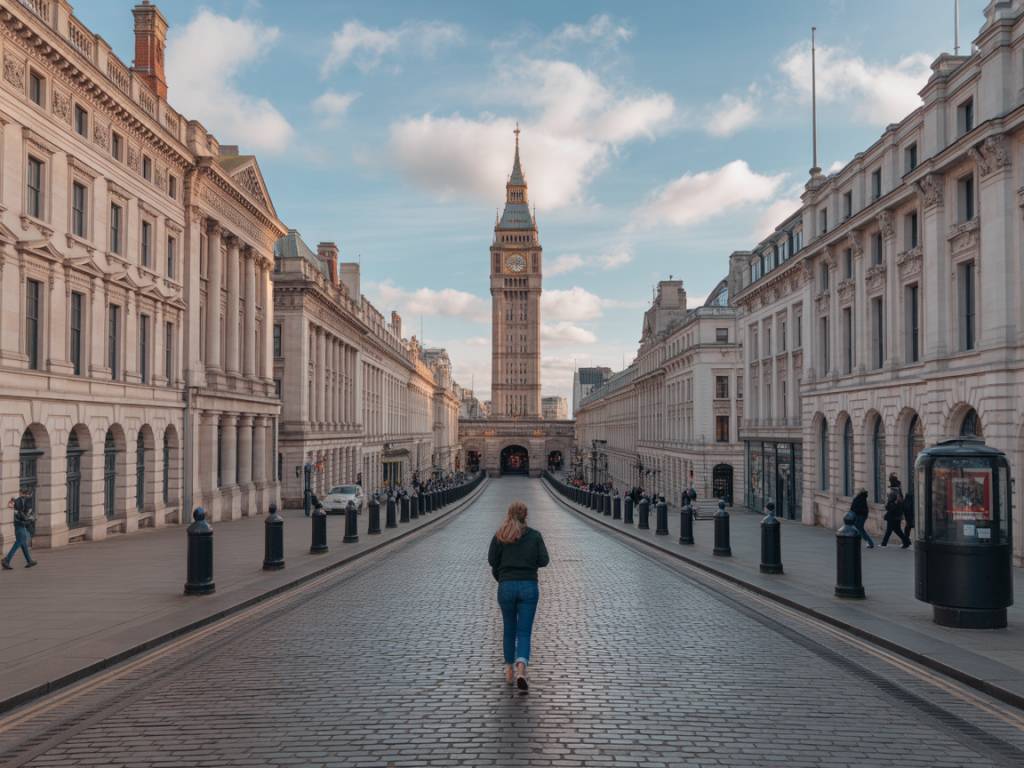
London – Overload your brain in 48 hours
Obvious? Oui. But if you want sheer volume and variety, London is still in a league of its own. The main risk isn’t “Will I find enough to do?” but “How do I avoid spending half my weekend in the Tube or in a queue?”
For a tightly packed cultural break, base yourself around the West End, South Bank or Bloomsbury. From there, you’re within walking distance of:
- The British Museum – free entry, late opening on Fridays, and enough artefacts to lose an afternoon without noticing. Expect crowds around the Rosetta Stone, go earlier or later for a quieter experience.
- National Gallery & National Portrait Gallery – right on Trafalgar Square, both free, both manageable in 2–3 hours if you prioritise key rooms instead of attempting the full marathon.
- Southbank Centre & National Theatre – the South Bank is essentially London’s culture corridor: concert halls, galleries, pop-up festivals and three major theatre spaces all within a 10-minute walk.
- West End theatres – for big-budget musicals and plays. If you’re flexible, sites like TodayTix or same-day TKTS booths around Leicester Square can slash ticket prices.
Typical weekend strategy: one “big” museum half-day, one gallery half-day, a matinee plus an evening show, and a night-time river walk past the Tate Modern and St Paul’s. Watch your timings: London transport is efficient but distances are deceptive, and switching areas too often can eat into your schedule.
Budget reality check: The museums and galleries are often free, but theatre and food add up quickly. Day travelcards or capped contactless fares help. If you want a London hit without the full London bill, read on.
Edinburgh – Compact, walkable and full of drama (even without the Fringe)
Edinburgh is often defined by August and the Fringe Festival, but even off-season it’s one of the easiest places in the UK to stack culture, views and history in a single weekend without touching a car.
Most of the action is between the Old Town and New Town – essentially a 20-minute walk from one side to the other, with serious verticality as a bonus workout.
- Scottish National Gallery – free, right in the city centre, with a solid collection of European masters plus Scottish art. Great “starter” gallery after you arrive by train.
- National Museum of Scotland – mix of science, design, natural history and Scottish history. Ideal for varied groups: there is always something to keep both art fans and “I hate museums” people mildly fascinated.
- Traverse Theatre & Royal Lyceum – two of the UK’s most respected producing theatres outside London, with a strong track record in new writing.
- Festival Theatre & Usher Hall – for opera, ballet, and major concerts. Even outside festival season, the programme is surprisingly dense.
Why Edinburgh works for a short break: almost everything cultural is reachable on foot, often via streets that look like a film set. You can move from a museum to a theatre to a whisky bar in minutes, not hours.
Downside: during the Fringe and Hogmanay, prices and crowds shoot up. If you want culture without chaos, consider spring or early autumn: strong programmes, easier bookings.
Glasgow – Galleries, grit and architecture for people who hate “cute”
If Edinburgh is the picture-perfect postcard, Glasgow is the messy, creative studio behind it. The city has a different energy: less touristy, more lived-in, and seriously underrated when it comes to free culture.
- Kelvingrove Art Gallery and Museum – one of the UK’s best all-round museums, free entry, housed in a vast red sandstone building near the university. A realistic half-day, especially if you add a walk along the River Kelvin.
- Gallery of Modern Art (GoMA) – small but central, with frequently changing contemporary exhibitions. Good add-on to a day in the city centre.
- Glasgow Film Theatre & Tron Theatre – indie cinema and bold theatre respectively, both with strong local followings.
- Live music – Glasgow is officially a UNESCO City of Music. Venues like King Tut’s Wah Wah Hut or the Barrowland Ballroom are almost a cultural visit in themselves.
Why consider Glasgow: if you like your culture with a side of nightlife and fewer selfie sticks, this is a strong choice. You’ll also find more budget-friendly food and accommodation than in Edinburgh or London, and a solid café scene for reading the exhibition programme in peace.
Reality check: the city centre is walkable, but some of the best spots (Kelvingrove, West End) require a short subway or bus ride if you’re staying near Glasgow Central. Weather can be… Scottish. Bring layers.
Manchester – Industrial history, modern arts and big-city buzz
Manchester sells itself as a “modern European city” and, culturally, it’s getting close. The city has used its industrial heritage to build a strong arts ecosystem, with a good balance between big-name institutions and grassroots venues.
- Manchester Art Gallery – free, central, with a particularly strong collection of Victorian and Pre-Raphaelite works plus contemporary shows.
- Science and Industry Museum – for those interested in how Manchester literally powered the Industrial Revolution. Great if you like your culture with engines and engineering.
- HOME – a key cultural hub: cinema, theatre, contemporary art in one building just off Deansgate. You could do an entire evening here without moving.
- Royal Exchange Theatre – a theatre-in-the-round in a former trading hall; the space alone is worth a visit.
Who it suits: people who want a “big city” feel without London-level prices. The city centre is compact enough to walk, the tram network is decent, and there’s a strong food and bar scene for post-show debriefs.
Practical note: Manchester is well-connected by rail to other northern cities, making it easy to combine with Liverpool or Leeds for a longer cultural itinerary.
Liverpool – Museums, music history and a waterfront that pulls its weight
Liverpool’s cultural identity is inseparable from its maritime and musical history. If you’re the kind of traveller who likes to hook your cultural visits to a strong story, the city delivers.
- Tate Liverpool (currently undergoing redevelopment – check dates) – historically the northern outpost of Tate, with modern and contemporary art by big-name artists.
- Museum of Liverpool – free, right on the waterfront, and excellent at explaining how the city’s identity was shaped by migration, trade and music.
- The Beatles Story & related tours – touristy, yes, but if you care about music culture, hard to ignore. Factor in at least half a day for a relaxed experience.
- Everyman & Playhouse theatres – two well-respected venues with a mix of new writing, classics and touring shows.
Why it works for a weekend: a lot of the main museums are clustered around the Albert Dock and waterfront. That means less zig-zagging across the city and more time inside actual venues. Add in the city’s bar and live music scene, and evenings fill up fast.
Good to know: Liverpool is generally cheaper than London or Edinburgh for accommodation and food, and the city has a strong independent café and bar scene around the Baltic Triangle and Ropewalks areas.
Birmingham – The “under the radar” option with serious theatre
Birmingham doesn’t market itself as loudly as some other cities, but if your idea of a cultural break leans towards performing arts and design, it’s worth a look.
- Birmingham Museum & Art Gallery – currently partially closed for refurbishment; check what’s open before you go. Historically, it houses one of the UK’s best collections of Pre-Raphaelite art.
- Birmingham Royal Ballet & Birmingham Hippodrome – for ballet and large-scale touring theatre, from West End imports to opera.
- Symphony Hall – home of the City of Birmingham Symphony Orchestra, with acoustics that are regularly ranked among the best in the world.
- Ikon Gallery – a contemporary art gallery in Brindleyplace, free entry, often with thoughtful and well-curated exhibitions.
Why consider it: if you’re interested in music, dance and performance rather than spending your whole weekend reading wall text, Birmingham delivers. It’s also one of the best-connected cities by train in the UK, useful if you’re coming from different directions.
Caveat: the city centre is heavily redeveloped and can feel busy and commercial; plan your days around specific cultural “clusters” (Brindleyplace, Jewellery Quarter, Eastside) to keep it enjoyable.
Smaller contenders: Bristol, Leeds, and beyond
Not every cultural weekend needs a massive city behind it. Some of the best short breaks happen where the scale is human and the local scene is tight-knit.
Bristol
- Arnolfini & Spike Island – contemporary art spaces by the harbourside, with strong reputations and thoughtful programmes.
- Bristol Old Vic – one of the oldest working theatres in the English-speaking world, beautifully refurbished.
- Street art – Banksy territory, but also hundreds of other artists. Much of the city is essentially an open-air gallery; guided walks can help decode what you’re seeing.
Leeds
- Leeds Art Gallery – free, with a strong collection of 20th-century British art.
- Harewood House (nearby) – for those who like their culture mixed with stately homes, gardens and discussions around heritage and colonial history.
- Leeds Playhouse & Opera North – major regional players in theatre and opera.
These smaller cities are ideal if you prefer to walk everywhere, avoid big-city stress and still enjoy a full cultural schedule from breakfast to late evening.
How to choose the right city for your cultural break
Too many options? Here’s a simple filter system to match cities to your priorities.
- You want blockbusters and big names – London, Edinburgh.
- You prefer edgy galleries, live music and nightlife – Glasgow, Bristol, Manchester.
- You’re into theatre and performance first, museums second – London, Manchester, Birmingham, Edinburgh.
- You’re on a tighter budget – Glasgow, Liverpool, Leeds, Bristol.
- You hate spending time on public transport – Edinburgh, Liverpool, Bristol (all very walkable cores).
Then add two more questions:
- How long do you have? If it’s just 1–2 nights, pick a compact city where everything is central (Edinburgh, Liverpool, Bristol) or focus on one area of London (e.g. South Bank + West End).
- What season is it? Some cities spike in price and crowds during festivals and major events. Edinburgh in August, London at Christmas, Liverpool around big football matches – all can be intense.
Practical tips for a museum–gallery–theatre marathon
Once you’ve chosen your city, a bit de stratégie can turn a “nice weekend” into a genuinely memorable cultural hit.
- Cluster your days – plan by neighbourhood, not “type” of venue. Doing three museums in three distant parts of a city is a recipe for transport fatigue.
- Book shows first, museums second – theatre and concert tickets are the scarce resource; museum visits can often bend around them.
- Use late openings – many major galleries have one late night a week. That’s your chance to stretch the day and free up daytime for other visits.
- Check city passes, but do the maths – some cities offer cultural passes combining buses and attractions. They’re only worth it if you actually want to visit most of what’s included.
- Schedule breaks inside venues – cafés in museums and galleries are not just for overpriced cake: they’re your buffer to avoid cultural burnout.
- Watch the “just one more room” trap – decide in advance how long you’ll stay in each place. After 2–3 hours, most brains stop absorbing information anyway.
A cultural city break isn’t about “doing everything”; it’s about curating your own mini-festival inside a weekend. The UK gives you plenty of stages to choose from – whether you want a blockbuster gallery in London, a theatre double-bill in Manchester, or a museum-to-whisky combo in Edinburgh.
The only real risk? Coming back with more ideas for future trips than you have weekends available.
À propos de l'auteur