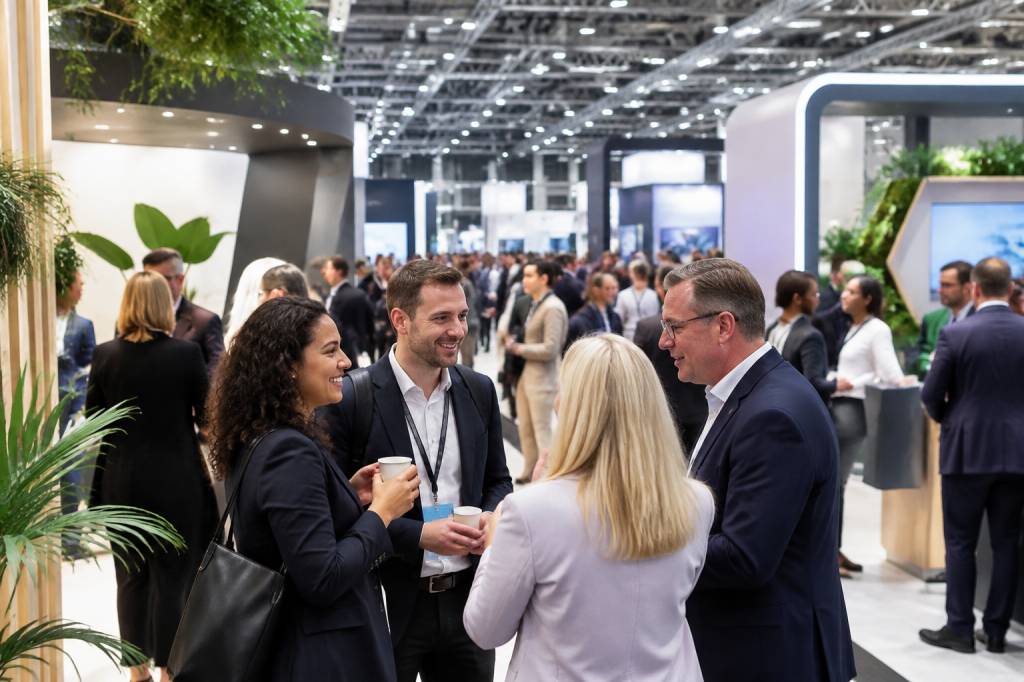
PA Show 2026: what to expect from the UK’s leading workplace and facilities event
For anyone responsible for an office, workplace experience, facilities, or executive support, the PA Show is more than a diary date. It is a chance to compare suppliers, test ideas and hear how other organisations are handling the practical work of keeping people and places running smoothly.
The 2026 event is expected to bring together professionals from across the workplace and facilities community, alongside suppliers, speakers and business support specialists. The useful question is not simply what will be on the show floor. It is what you can take back to work on the Monday afterwards.
What is the PA Show?
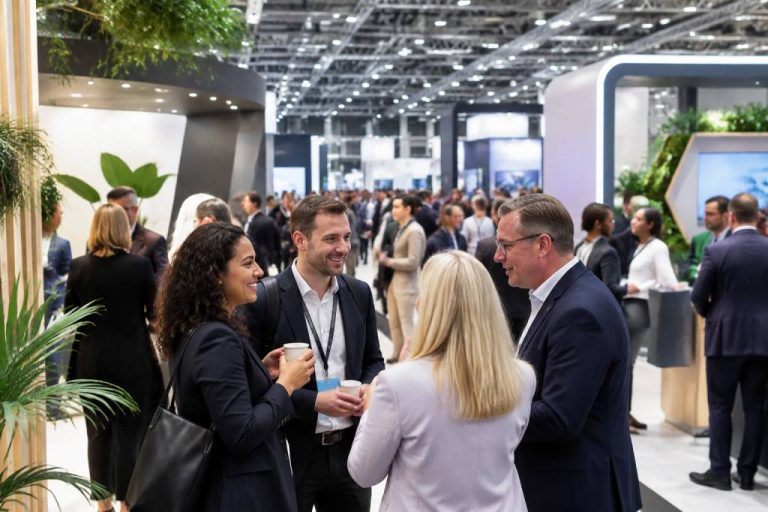
The PA Show is a UK event for personal assistants, executive assistants, office managers, workplace leaders and people working in facilities and business support. Its scope goes beyond traditional PA services. The programme and exhibition typically touch on workplace operations, technology, professional development, business travel, wellbeing and the changing expectations placed on support roles.
That breadth reflects how the job has changed. An executive assistant may now coordinate hybrid meetings, manage confidential information, organise complex travel and help shape the experience of an entire office. Meanwhile, a facilities manager may be asked to improve energy performance, accessibility and employee satisfaction, often while keeping costs under control.
The PA Show offers a place to look at these overlapping responsibilities together. It can be useful for experienced professionals who want to benchmark their approach, as well as newcomers trying to work out which tools and skills deserve their attention.
What to expect from the 2026 event
The exact speaker line-up, sessions and exhibitor list can change as the event approaches. Check the official PA Show programme before making travel plans or promising your manager a particular session. But based on the event’s focus, visitors can reasonably expect a mix of practical learning, supplier demonstrations and conversations with peers.
-
Conference sessions: Talks and panel discussions are likely to cover workplace trends, professional development and the evolving role of business support.
-
An exhibition floor: Suppliers may showcase workplace services, office technology, travel support, training, catering and facilities solutions.
-
Networking: Informal conversations can help visitors compare how different organisations tackle the same everyday problems.
-
Product demonstrations: Seeing a tool in action can be more revealing than another polished sales deck.
The distinction between a useful event and an expensive day out often comes down to preparation. A visitor who arrives with three real problems to solve will usually get more from the show than someone who wanders the stands collecting branded tote bags. The tote bag may still come home. It just should not be the main outcome.
Workplace experience moves from perk to operating priority
Workplace experience is often discussed as if it were a collection of extras: better coffee, attractive furniture and an app for booking desks. Those things may matter, but they are not the whole story. Employees notice whether meeting rooms work, whether visitors are welcomed, whether facilities are accessible and whether office policies make sense in practice.
That makes workplace experience an operational issue as much as a cultural one. A confusing room-booking system wastes time. Poor signage makes a first visit harder than it needs to be. A workplace that is difficult to use for someone with a disability is not fixed by a colourful wellbeing campaign.
At the PA Show, visitors should look for ideas that connect employee experience with measurable improvements. Ask suppliers how their solution reduces friction, what data it collects and how it works for people who are not in the office every day. “It improves engagement” is a promising claim; the next question is how the supplier knows.
Facilities teams face a practical balancing act
Facilities professionals are expected to keep buildings safe, efficient and comfortable while responding to changing patterns of attendance. That is a complicated brief. A building designed for five busy weekdays may not suit an organisation where teams come in on different days and use space in less predictable ways.
Topics worth exploring include maintenance planning, cleaning, workplace safety, energy management, space utilisation and the coordination of on-site services. The most useful discussions are likely to be specific: how to manage fluctuating demand, how to report faults quickly, or how to make service standards visible to employees.
When speaking with a supplier, ask what a solution requires from your team after purchase. Does it need new hardware, staff training or a lengthy data migration? What happens when the system fails? A product that looks simple during a demonstration may involve a more complicated implementation once it meets a real building and a real budget.
Technology is useful when it removes a real nuisance
Workplace technology is likely to be a prominent part of the exhibition. Booking systems, visitor management, digital communications, facilities platforms and automation tools all promise to make operations smoother. Some do. Others add another login to an already crowded collection.
A sensible way to assess a new tool is to start with the task, not the product. For example, if employees struggle to find an available meeting room, ask whether the issue is inaccurate room data, unclear rules or simply too few suitable spaces. Software may solve the problem, but it cannot make an undersized meeting room larger.
Use demonstrations to test everyday scenarios. Can a visitor book a room without help? Does the platform work on a phone? Can staff with different access needs use it? Can administrators export data in a useful format? What does the supplier charge for support, integrations and future upgrades?
For any system handling employee or visitor information, ask about data protection and security. Find out what data is collected, where it is stored, who can access it and how long it is retained. These are not awkward questions. They are basic procurement questions, and a credible supplier should be ready to answer them.
Professional development remains part of the value
Tools matter, but so do the people expected to use them. Executive and administrative professionals increasingly work across communication, planning, technology and stakeholder management. Facilities teams also need a mix of operational knowledge, customer service and confidence working with data and suppliers.
Look for sessions that offer a clear method or skill you can apply, rather than broad predictions about the future of work. A useful session might provide a framework for prioritising requests, handling confidential information or preparing a business case. A good speaker should leave you with something more practical than a photograph of their slide deck.
If you are attending with colleagues, divide the programme. One person can focus on workplace systems, another on professional development and another on facilities or sustainability. Compare notes afterwards. It is an efficient way to cover more ground without attempting to be in three places at once.
How to make the day worthwhile
Before travelling, write down the problems you want to investigate. Keep the list short enough to use. “Improve workplace experience” is too broad; “reduce the number of unanswered facilities requests” gives you something concrete to discuss.
-
Set a purpose: Choose two or three questions the event should help you answer.
-
Review the programme: Mark sessions and exhibitors that directly relate to those questions.
-
Prepare a short introduction: Explain your role, organisation and current challenge in a few sentences.
-
Ask for evidence: Request examples, implementation details and realistic costs rather than relying on headline claims.
-
Record follow-ups: Note the person you spoke to, what they promised and when you will contact them.
It is also worth agreeing what a successful visit looks like with your manager. That might mean identifying three suppliers for a formal review, gathering ideas for a workplace project or completing a specific training session. A modest, clearly defined outcome is easier to justify than “I went to see what was happening”.
Budget, travel and accessibility checks
Before booking, check the event’s official website for current dates, venue details, registration terms and the latest programme. Event information can change, and travel costs can rise quickly if you leave arrangements until the last minute. If your organisation has a travel policy, check it before booking rather than after the receipts arrive.
Build more time into the day than the session timetable suggests. Large exhibitions involve queues, conversations and walking between areas. A tight schedule can turn a useful visit into a sequence of hurried exits. Check venue access information in advance if you or a colleague have mobility, sensory or other access requirements. If something is unclear, contact the organiser before you travel.
Also check what is included in your ticket. Some sessions or networking activities may require separate booking, and popular items can fill up. Confirm cancellation or transfer rules before paying, especially if your attendance depends on approval from someone else.
Who should consider attending?
The event is likely to be most useful for people whose work touches the running of an office or the support of senior teams. That includes PAs and EAs, office and workplace managers, facilities professionals, operations teams, HR colleagues involved in employee experience, and suppliers seeking to understand their customers.
It may be less valuable for someone who has no clear connection to workplace operations or business support. That is not a criticism; it is a reason to match the event to a specific need. If you are unsure, review the published agenda and exhibitor information first. A quick scan can tell you whether the content fits your role better than a vague promise of “inspiration”.
What to take back to work
The best outcome from the PA Show is not a long list of products to buy. It is a clearer view of what is working, what is costing your organisation time and what deserves a closer look. One conversation might reveal a simpler way to manage visitor arrivals. A session might give an EA a better framework for prioritising requests. A facilities demonstration might expose a gap in how maintenance issues are tracked.
After the event, sort your notes into three groups: ideas to use now, options to investigate and interesting points that do not yet justify action. Share the first group with colleagues while the details are fresh. For any supplier worth pursuing, arrange a follow-up demonstration based on your own requirements, not a generic sales script.
The PA Show 2026 should be approached as a working event: part learning opportunity, part supplier comparison and part reality check. Go with specific questions, challenge impressive claims politely and keep an eye on the practical details. That is how a day on the show floor becomes something useful back at the office.
À propos de l'auteur