Weekend itineraries in the UK for a getaway without flying that maximise relaxation and local discovery
Two days off, zero desire to queue at airport security. If that’s your mood, you’re not alone. According to the UK Department for Transport, domestic rail journeys are back to around 90% of pre‑pandemic levels, and advance fares remain significantly cheaper than a weekend in Barcelona once you’ve added flights, luggage and airport transfers.
So what if, instead of chasing the sun, you chased something plus réaliste: a weekend that actually repose, sans jetlag, and that lets you (re)discover the UK without burning through your annual leave?
Below, four concrete weekend itineraries you can copy‑paste into your calendar. Tous ont en commun : aucune obligation de prendre l’avion, des trajets gérables en train ou en voiture, un vrai rythme de weekend (pas un marathon touristique), et un bon équilibre entre détente et découvertes locales.
Slow coastal escape in Margate & Broadstairs (Kent)
Pour qui ? Londoners (or South‑East residents) who want sea air, good coffee, and art without feeling like they’re doing a school trip.
Getting there (no plane required)
From London St Pancras, the high‑speed train reaches Margate in about 1h30. Book an advance single on Southeastern and you can often stay under £25 each way. Coming by car, count around 2 hours from central London outside rush hour.
Where to stay
Margate has quietly become a mini‑lab for boutique guesthouses and creative B&Bs. Look for:
- A small guesthouse near the Old Town if you want to walk everywhere.
- A modest seafront hotel for the full “wake up to the sound of waves” cliché (that actually helps you disconnect).
Saturday: art, sea and small rituals
- Morning – Arrival & first coffee
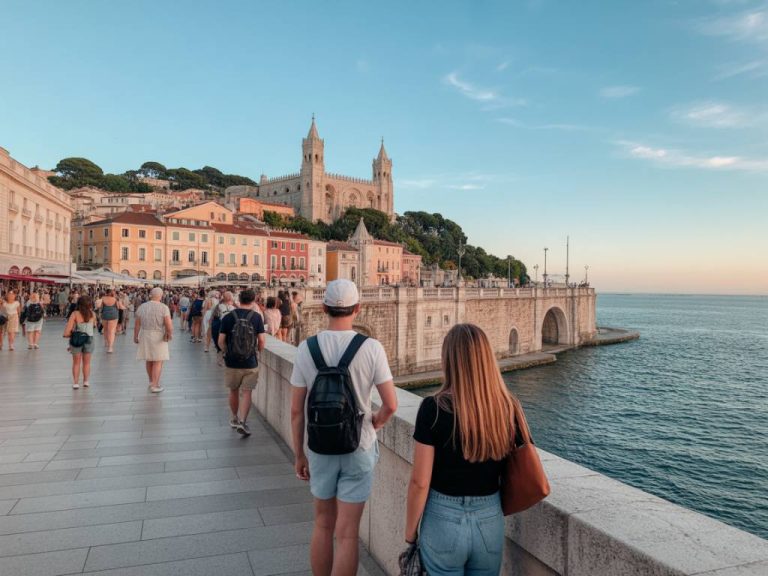
Drop your bag and head straight to the seafront. The goal is not to “tick off” sights, it’s to switch rhythm. A stop in an independent café in the Old Town (Fort Road, Market Place area) gives you that immediate holiday signal: phone down, coffee up. - Late morning – Turner Contemporary
The Turner Contemporary is free, bright, and compact enough for a one‑hour visit. Perfect for a gentle cultural shot without spending your whole day indoors. Temporary exhibitions regularly tackle climate, identity and coastal life – you rarely come out empty‑headed. - Lunch – Fish, obviously
You’re on the Kent coast: resist the urge to overcomplicate it. Choose a simple fish & chips spot or a seafood shack by the harbour. Check the chalkboard for the day’s catch – that’s often the best value/quality option. - Afternoon – Beach walk to Botany Bay or Broadstairs
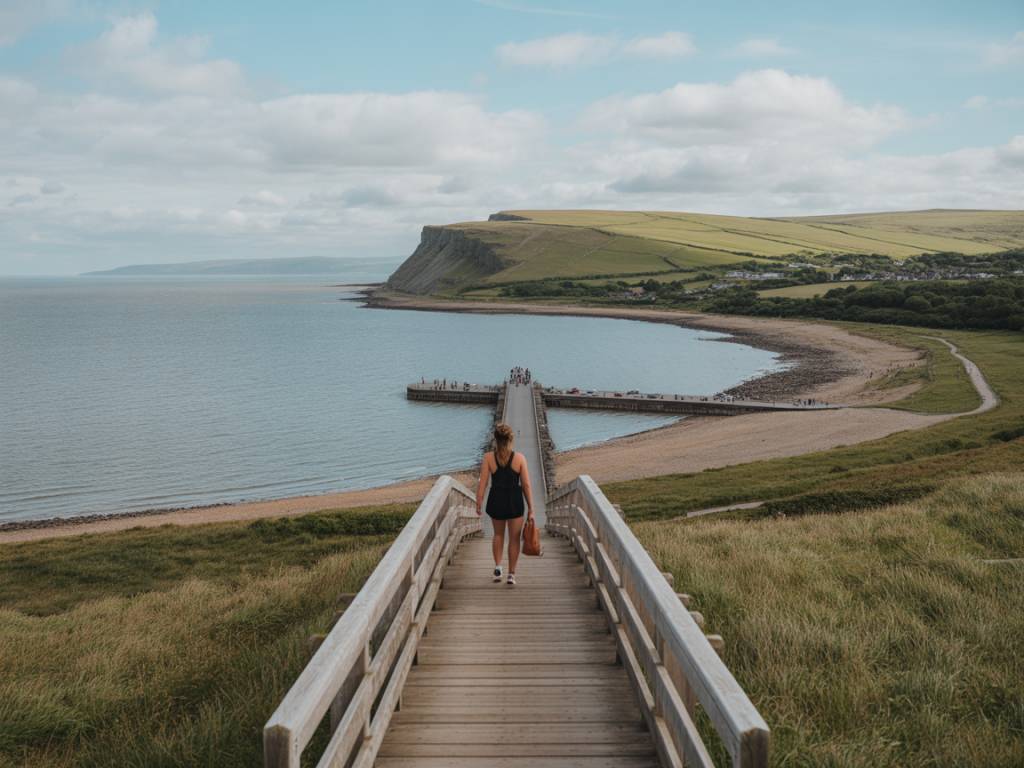
If the tide and weather allow, walk the Viking Coastal Trail. The stretch between Margate and Broadstairs takes around 1.5–2 hours at an easy pace, with stops on sandy beaches like Botany Bay. Alternative if you’re not up for a long walk: a short bus ride (the Loop runs frequently) and a stroll around Broadstairs’ pretty harbour. - Evening – Sunset & simple dinner
Margate sunsets over the sea are genuinely spectacular on clear days. Pick up a takeaway (pizza, curry, or more seafood) and eat on the steps by the harbour arm if it’s not too windy. Low‑effort, high return.
Sunday: flea markets and tidal pools
- Morning – Flea hunting & independent shops
Margate’s Old Town has a dense collection of vintage shops, record stores and small galleries. You don’t need to buy anything: half the interest is in people‑watching and browsing. Set yourself a simple limit (e.g. “one thing under £20 I’ll actually use”) to avoid returning with random clutter. - Late morning – Tidal pool dip (weather‑permitting)
The tidal pool on Margate Main Sands can be surprisingly calm early in the day. Even in colder months, 5 minutes with your feet in the water does something odd to your stress levels (cold‑water swimmers won’t be surprised). Bring a towel and something hot in a flask. - Lunch and return
Grab an easy lunch in town, check train times (services are frequent but watch for Sunday engineering works), and aim to travel back mid‑afternoon. That gives you the evening to land, rather than rushing straight into Monday.
Why it works: short train ride, walking‑first once you’re there, and no “must‑see” fatigue. You come back with fewer photos but more actual repos.
Forest reset in the New Forest (Hampshire)
Pour qui ? Anyone who needs trees, horses and quiet lanes more than museums and shopping.
Getting there
From London Waterloo to Brockenhurst: around 1h40 on South Western Railway. From there, you can explore a lot by bike or on foot. Arriving by car, the M3/M27 route takes around 2 hours from London (out of peak traffic).
Where to stay
- A B&B in Brockenhurst if you’re coming by train (easy access to multiple walking routes).
- A countryside inn or small hotel in Lyndhurst or Burley if you have a car and want a “pub and fireplace” vibe.
Saturday: gentle walking, not hiking boot bootcamp
- Morning – Check‑in & short forest loop
After arrival, do a short 1–2 hour loop walk rather than a full‑day trek. The New Forest National Park website and visitor centres provide clear, waymarked routes starting from Brockenhurst, Lyndhurst or Beaulieu Road. You want enough movement to empty your head, not to injure your knees. - Lunch – Pub with proper portions
Many village pubs here do surprisingly decent food: think ploughman’s, pies, or fish of the day. It’s not cutting‑edge gastronomy, but it’s filling and honest, especially after a walk. - Afternoon – Bikes or ponies
Rent bikes in Brockenhurst or Lyndhurst and follow cycle routes through heathland and woodland. Distances can be adapted to your level: a 10–15km loop is perfectly respectable for a lazy weekend. Keep an eye out for New Forest ponies – they have priority, even on the roads. - Evening – Tech‑light night
This is one of those places where a self‑imposed “no email, no Slack” rule actually feels doable. Bring a book, a deck of cards, or simply spend the evening in the pub. If you’re staying somewhere with a log fire, that’s your evening entertainment sorted.
Sunday: slow morning, small local discoveries
- Morning – Late breakfast & village circuit
Start late and do a short walk around your base village, or visit another nearby one by bus or car. Lyndhurst has the New Forest Heritage Centre (free entry, low‑key but informative if you like context), while Beaulieu offers an abbey, gardens and the National Motor Museum (book ahead if that’s your thing). - Lunch – Farm shop or café
Look for a farm shop café for local produce: New Forest ice cream, cheeses, or simple seasonal dishes. It’s an easy way to put money into the local economy without feeling like a “tourist trap” victim. - Afternoon – Return without stress
Trains from Brockenhurst back to London are frequent, but check Sunday timetables and the ever‑present engineering works. Try to avoid the last possible train; the idea is to end the weekend calmer than you started it.
Why it works: no extreme sport, no 6am alarms. You disconnect because the environment quietly obliges you to.
Urban culture & canals in Birmingham
Pour qui ? Those who want a city break that’s not London, with museums, street food and canals instead of beaches.
Forget the tired jokes: Birmingham has invested heavily in its cultural offer over the last decade, and it’s easy to reach from almost anywhere in England or Wales by train.
Getting there
From London Euston: around 1h20 to Birmingham New Street on Avanti West Coast or London Northwestern Railway. From Manchester: around 1h30. From Bristol: around 1h30–2h. The city centre is walkable from New Street.
Where to stay
- A central hotel near New Street or Corporation Street if you want minimal logistics.
- A canal‑side aparthotel near Brindleyplace or Gas Street Basin for a quieter evening atmosphere.
Saturday: canals, galleries, and food halls
- Morning – Arrival & canal orientation walk
From New Street, walk towards Gas Street Basin and Brindleyplace. The canal network here is dense and surprisingly calm once you’re away from the main roads. A 60–90 minute canal walk gives you a feel for the city’s industrial history without needing a guide. - Late morning – Ikon Gallery
The Ikon Gallery in Brindleyplace (free entry, donations welcome) is a compact contemporary art space housed in a neo‑gothic school. It’s easy to fit into a morning, and the exhibitions tend to be thought‑provoking without being opaque. - Lunch – Street food or food hall
Birmingham has developed a strong street‑food scene. Depending on what’s open: - Head for a food hall (like Hockley Social Club, check opening hours) for a mix of independent traders.
- Or dive into the Bullring Markets for more traditional, multicultural options at lower prices.
- Afternoon – Birmingham Museum & Art Gallery (BMAG) / Jewellery Quarter
Check ahead: BMAG has been undergoing phased reopenings, but when open it offers everything from Pre‑Raphaelite paintings to local history. Alternatively, take the short tram or walk to the Jewellery Quarter: historic workshops, studios and small galleries, plus some excellent cafés. - Evening – Curry or Chinatown
Birmingham’s curry reputation is not just marketing. The “Balti Triangle” in Sparkbrook is a classic (you’ll need a short bus or taxi), or you can stay central and explore Chinese, Korean or Vietnamese spots around the Southside/Chinatown area. Book if you’re picky about where you eat; weekends can be busy.
Sunday: markets, coffee, and a gentle exit
- Morning – Coffee & brunch in the Custard Factory (Digbeth)
Digbeth, about a 10–15 minute walk from New Street, has become a creative quarter with street art, indie shops and plenty of coffee options. Sunday mornings are quieter: good for a slow brunch and a wander. - Late morning – Street art and canals (again)
Explore Digbeth’s street art, then loop back towards the city centre via the canals. It’s an easy way to stretch your legs before the train home. - Lunch & return
Grab a final bite near New Street or at the station (which has more options than most), and aim for an early‑to‑mid afternoon train. If there are delays, you won’t be panicking about Monday.
Why it works: maximum culture per hour of transport, all walkable once you’ve arrived, and enough food options to satisfy most preferences without endless research.
Train‑based Peak District taster (Edale & Hope Valley)
Pour qui ? Those who want hills, views and clean air, but not a full‑week hiking expedition.
Getting there
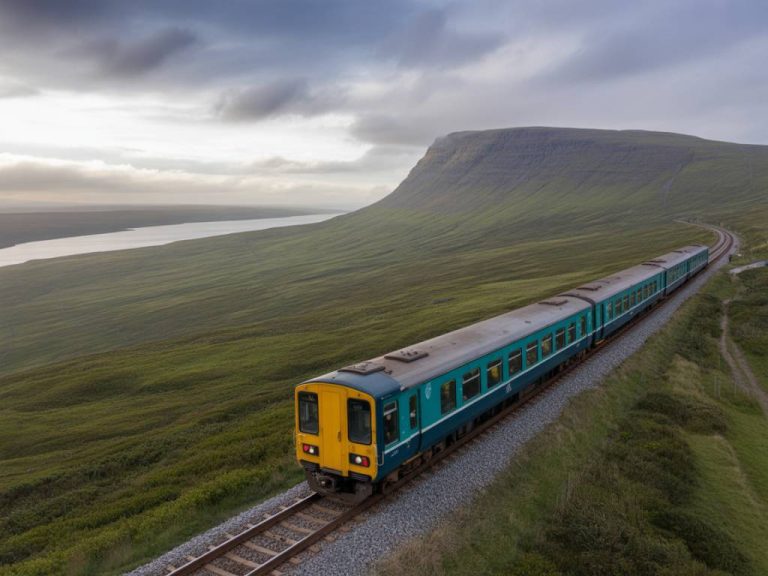
From Manchester Piccadilly, regular trains run to Edale and Hope in around 30–40 minutes. From Sheffield, it’s a similar story. This line is one of the most scenic in England – you start decompressing before you’ve even arrived.
Where to stay
- A small inn or B&B in Edale if you want doorstep walks and a very quiet night.
- Hope or Castleton if you prefer a few more pubs and shops while staying within easy reach of trails.
Saturday: one proper walk, not three
- Morning – Arrive & settle
Travel early enough to be on the trail before late morning. Drop your bag at your accommodation (many will hold it pre check‑in) and pick one realistic route. - Midday – Classic “Great Ridge” route
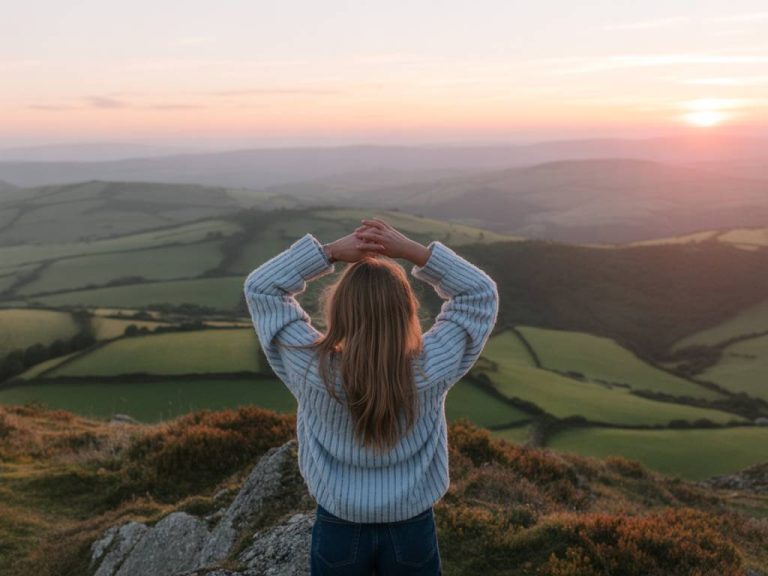
From Edale or Castleton, the Great Ridge (Mam Tor, Hollins Cross, Lose Hill) offers big views for comparatively modest effort. Depending on the exact loop, you’re looking at 8–12km, 3–5 hours walking at a calm pace. Essential question: are you equipped? Even in “just the Peaks”, you want: - Decent walking shoes (not city trainers).
- Layers and a waterproof – weather changes fast.
- Water and snacks: there is not a café on every corner.
- Late afternoon – Pub rehydration
Return to your base village and do the obvious: pub, food, early night if your legs insist. Many places offer simple rooms above the bar – not silent, but practical.
Sunday: shorter valley walk and train home
- Morning – Gentle valley loop
Instead of a second summit, opt for a valley path along streams and through fields. Around Hope or Edale, you’ll find 5–8km circuits that keep things easy. The local tourist information sites and Ordnance Survey apps have ready‑made routes. - Lunch – Café or village shop picnic
Grab a simple lunch before catching an early afternoon train. Peak District cafés do a solid line in soups, sandwiches and cakes – classic walking fuel. - Afternoon – Train back with a view
The return journey through the Hope Valley is, again, scenery therapy. If you’ve timed it right, you’re home by late afternoon with that pleasant muscle ache and a phone full of hill photos.
Why it works: you get a real sense of “being in the mountains” (even if they’re modest by Alpine standards) without needing a car or five days off.
How to actually make these weekends relaxing, not just “busy somewhere else”
Destination aside, a weekend can either recharge you or leave you more tired than when you left. The difference is rarely the postcode; it’s the way you structure it. Quelques règles simples à tester :
- Limit yourself to one “big thing” per day
One substantial activity (a walk, a museum run, a long canal loop) + one smaller or more passive thing (sunset, café, short stroll) is enough. Beyond that, you’re collecting activities, not rest. - Plan the trains, not every minute
Book your main transport in advance, check for engineering works (National Rail has become increasingly transparent about this), and then leave the internal schedule looser. A fixed 11:07 a.m. “brunch booking” on a weekend away is often more stress than pleasure. - Use local information, not just Instagram
Tourist information centres, town websites, even noticeboards at train stations often list walking routes, local events and market days. It’s less sexy than a reel, but usually more accurate. - Set one personal rule that signals “break mode”
It can be: no work email, no social media until evening, or just “phone stays on flight mode while we’re walking”. The content of the rule matters less than the fact you keep it. - Budget with eyes open
Staying in the UK isn’t automatically cheaper than flying. Rail can be pricey if you book late. To avoid bad surprises: - Check railcard eligibility – a 26–30, Two Together or Network Railcard can quickly pay for itself.
- Compare a modest B&B + train vs. budget hotel + petrol/parking if you have a car.
- Decide in advance how many “sit‑down restaurant” meals you want, and plan some simpler picnics or takeaways around them.
The common thread in all four itineraries is simple: you stay within a 2‑hour radius of a major city, you move mostly on foot once you’re there, and you trade “seeing everything” for “really experiencing two or three things”. No airport, no lost luggage, no 4 a.m. alarm.
For a lot of UK residents, that’s what a genuine break looks like in 2025: less distance, more intention. The rest, you can decide on the train.
À propos de l'auteur